
2mm mirror glass price
Precision Tools and Gages The Backbone of Manufacturing Accuracy In the ever-evolving landscape of manufacturing, precision tools and gages stand as critical components that ensure products meet stringent quality standards. The quest for perfection in dimension and measurement is paramount in industries ranging from aerospace to automotive, electronics to medical devices. This article delves into the significance of precision tools and gages, exploring their types, uses, and the impact they have on production efficiency and product reliability. Understanding Precision Tools Precision tools are highly specialized instruments designed to provide accurate measurements and enable meticulous machining operations. These tools are made from durable materials that maximize their resistance to wear and tear, ensuring longevity and consistent performance under rigorous conditions. Among the most common types of precision tools are calipers, micrometers, and dial indicators. Calipers are versatile measuring instruments that can gauge the internal, external, and depth dimensions of an object. Available in various forms, such as digital, vernier, and dial calipers, they are essential for achieving accurate measurements in tight tolerances. Micrometers, often called screw gauges, excel in measuring small dimensions with extraordinary precision, typically up to 0.001 millimeters or finer. The design includes a calibrated screw used to measure the thickness or diameter of objects, making them indispensable in industries where precision is critical. Dial indicators serve to measure small distances with added precision . They are particularly useful for setting up machinery, checking flatness, or verifying the accuracy of tools during the machining process. The Role of Gages In conjunction with precision tools, gages play a pivotal role in manufacturing processes. A gage is an instrument used to measure or compare dimensions to predefined standards. Like precision tools, gages ensure that parts conform to the specified measurements necessary for product functionality. precision tool and gage Go/no-go gages are a popular type of gage which provides a simple pass/fail criterion for whether a part meets tolerance dimensions. This binary approach streamlines quality control processes, allowing operators to efficiently assess multiple parts in a short amount of time. Thread gages specialize in ensuring the correctness of threaded dimensions, crucial in any assembly involving screws and bolts. Using these gages guarantees compatibility and fit, reducing the risk of mechanical failures due to improper threading. Importance in Manufacturing The integration of precision tools and gages into the manufacturing process is vital for several reasons. First and foremost, they enhance product quality. In today's competitive market, consumers expect high standards; any flaw in production can lead to significant financial repercussions and damage to a brand's reputation. Precision tools and gages help manufacturers consistently deliver products that meet these expectations. In addition, using precision tools and gages boosts operational efficiency. They minimize errors during the machining and assembly processes, reducing waste from rework or scrap. This streamlined approach not only saves time but also conserves resources, contributing to more sustainable production practices. Furthermore, regular calibration and maintenance of precision tools and gages are essential for sustained accuracy. Establishing a routine for checking and calibrating these instruments ensures they remain functional and reliable over time. This practice not only prolongs their lifespan but also fortifies the overall quality assurance processes within the manufacturing environment. Conclusion In conclusion, precision tools and gages are indispensable elements of modern manufacturing. Their contributions to improving product quality, enhancing operational efficiency, and ensuring consistency cannot be overstated. As technology advances, the development of even more sophisticated precision measurement instruments is likely to further elevate manufacturing standards. Companies dedicated to quality will continue to invest in precision tools and gages, recognizing their vital role in maintaining a competitive edge in a rapidly changing industry landscape. In a world where precision is paramount, the use of these tools and gages will undoubtedly remain a cornerstone of successful manufacturing practices.
about
2mm mirror glass price
Control Valves in Hydraulic Systems Control valves are integral components in hydraulic systems, playing a vital role in the effective management and regulation of fluid flow and pressure. They are designed to control the direction, flow rate, and pressure of hydraulic fluids, enabling precision in a variety of applications from industrial machinery to automotive systems. Understanding the function and importance of control valves in hydraulic systems is crucial for engineers, technicians, and anyone involved in hydraulic system design or maintenance. Function of Control Valves The primary function of a control valve in a hydraulic system is to manage the flow of hydraulic fluid. This can be achieved by either throttling the flow or completely blocking it, depending on the operational requirements. Control valves can be actuated manually, pneumatically, or electronically, allowing for a range of control strategies from simple operator-driven adjustments to complex automated systems. In practice, control valves are classified into several types including proportional valves, directional control valves, and flow control valves, each serving specific functionalities 1. Directional Control Valves These valves manage the path that the hydraulic fluid takes within the system, ensuring that fluid flows to the correct actuator or component. They can switch the direction of flow based on the actuator position and the desired movement of the hydraulic machine. 2. Flow Control Valves As the name suggests, these valves regulate the speed of fluid flow to the actuators. By modifying the flow rate, they control the pace at which hydraulic cylinders or motors operate. This is particularly important in applications that demand precise speed control for effective operation. 3. Proportional Valves These advanced control devices adjust flow rate and pressure in a continuous and proportional manner, as opposed to merely opening or closing. This allows for fine-tuned control over actuator movement, making them ideal for applications requiring high precision. Importance in Hydraulic Systems control valve in hydraulic system The significance of control valves extends beyond simple flow regulation. Their role is crucial in ensuring the efficiency, safety, and reliability of hydraulic systems. 1. Efficiency By controlling the flow and pressure of hydraulic fluid effectively, control valves minimize energy loss. Efficient operation means that hydraulic systems consume less power, which translates to lower operational costs and reduced environmental impact. 2. Safety Properly functioning control valves help to prevent overpressure conditions that could lead to equipment failure or catastrophic incidents. For instance, pressure relief valves are essential for protecting hydraulic systems from excessive pressure, ensuring safe operation under varying load conditions. 3. Flexibility The ability to control the mechanical power produced by hydraulic fluid allows for a wide range of applications. From construction machinery to automotive systems, the versatility of control valves is beneficial in adapting hydraulic systems to meet specific operational demands. 4. Maintenance and Troubleshooting Control valves can also aid in diagnosing issues within a hydraulic system. By monitoring the flow and pressure changes in response to valve adjustments, technicians can identify potential problems such as leaks, blockages, or failures in other system components. Design Considerations When selecting control valves for hydraulic systems, several factors must be taken into account, including the type of hydraulic fluid used, operating pressure, flow rate, and environmental conditions. Compatibility with the overall system design is essential to ensure optimal performance and longevity. Additionally, regular maintenance and calibration of control valves are vital to their continued functionality, helping to avoid system failures and costly downtimes. Conclusion Control valves are indispensable components of hydraulic systems, ensuring effective management of hydraulic fluid flow and pressure. Their various types serve distinct functions, and their importance cannot be overstated—from enhancing efficiency and safety to allowing flexibility in system operation. For anyone working with hydraulic systems, a thorough understanding of control valves and their applications is essential for achieving optimal system performance and reliability. As technology continues to advance, the development of smarter and more efficient control valve mechanisms will undoubtedly further enhance the capabilities of hydraulic systems in the future.
-

High quality industrial productsagement

High quality industrial products
View Details -

Meet the diverse needs of customers

Meet the diverse needs of customers
View Details -

Strict quality control

Strict quality control
View Details -

Top raw materials

Top raw materials
View Details -

Trusted supplier

Trusted supplier
View Details
Our application

news and information
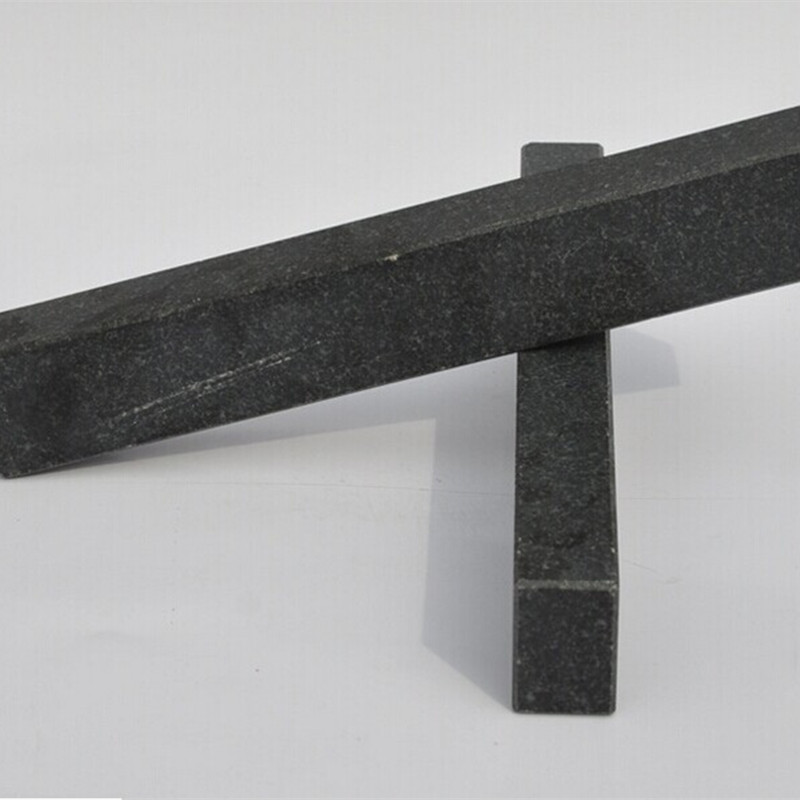
Wskaźnik pierścienia gwintowego npt
Narzędzie pomiarowe Przyrząd do gwintów NPT - Przewodnik po użyciu i znaczeniu W świecie inżynierii
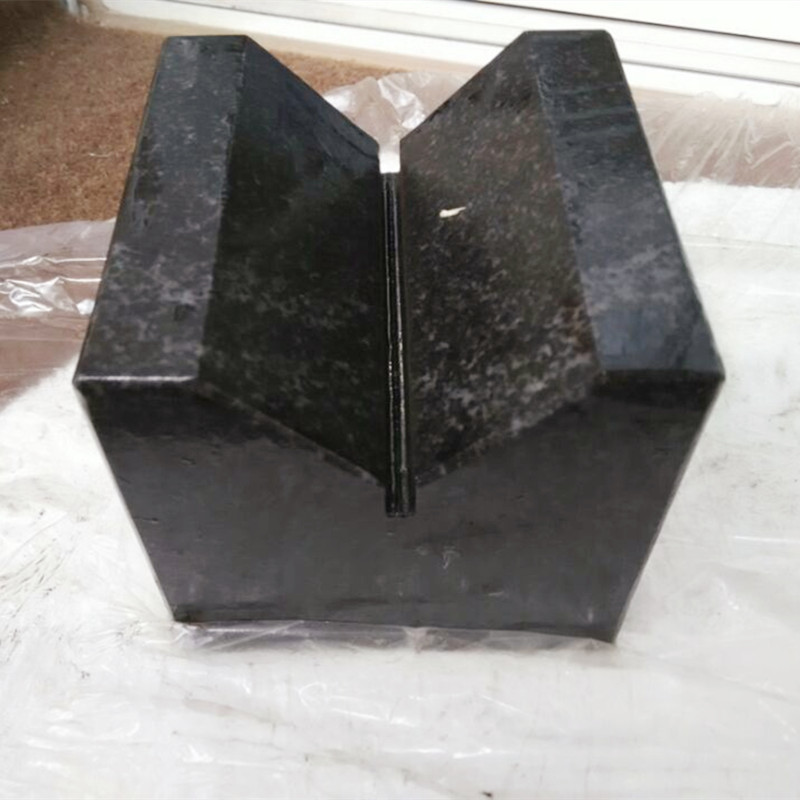
Water Control Solutions for Efficient Valve Management in Plumbing Systems
The Importance of Valve Water Management in Industrial Applications In various industrial operations
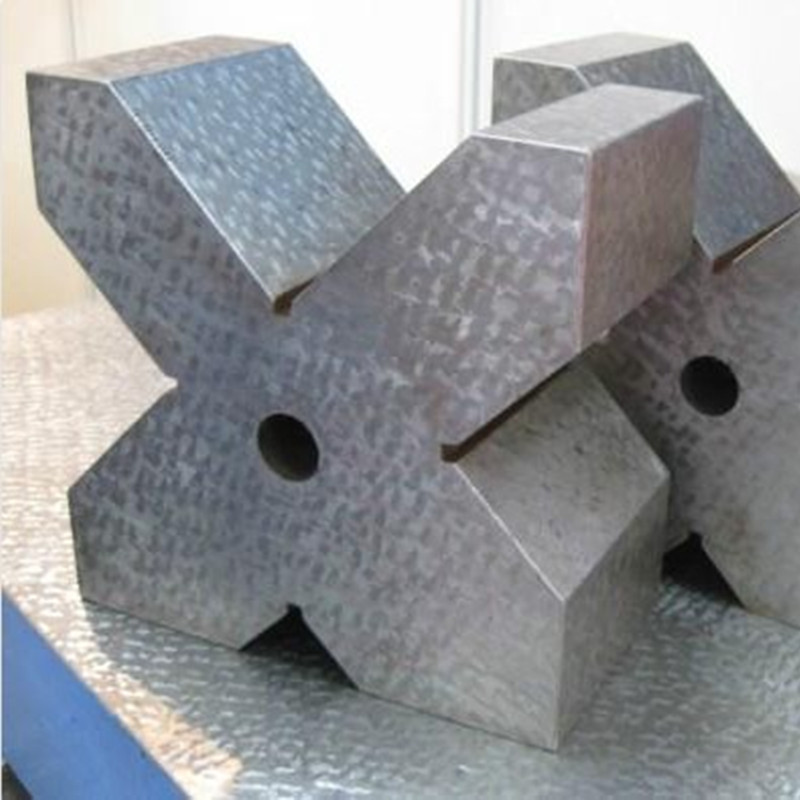
valve gate valve
Understanding Valve Gate Valves An Essential Component in Modern Industry In various industrial appl
 English